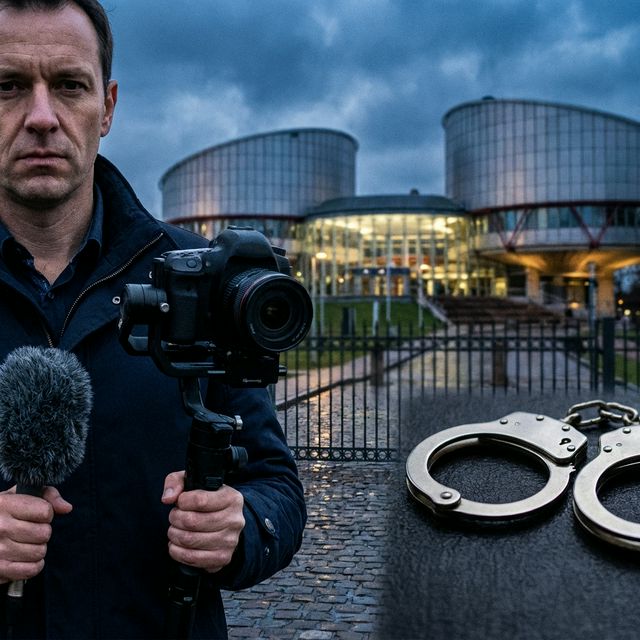
The safety of those on the front lines of independent media is not just about dodging a stray brick at a protest. It is about surviving a system that is increasingly hostile to anyone who dares to report outside the approved narrative.
At the Independent Media Alliance, we know the risks are real because we see them every single day. While mainstream journalists sit in secure offices with corporate legal teams on speed dial, the citizen journalist is out in the wild, often with nothing but a phone and the shield of Article 10.
The Risks: Why Independent Media is Under Fire
These risks are not accidental. They come from a power structure that feels its control slipping away.
First, there is state surveillance and the growing digital dragnets. The UK government has pushed hard for greater access to private messages through laws like the Online Safety Act 2023. That Act gives Ofcom the power to require platforms to use technology that can scan content, even in encrypted services, to tackle issues like child sexual abuse material. Critics, including tech companies like Apple and privacy groups, have warned that this could undermine end-to-end encryption. If sources cannot trust that their communications stay private, independent journalists cannot safely gather the truths that matter. Without that guarantee, stories stay untold.
Next comes lawfare and SLAPPs, strategic lawsuits against public participation. These are the favourite tool of the wealthy and powerful. They do not always need to win in court. The goal is often to bury you under huge legal bills until you go quiet. The UK has seen a rise in such tactics against journalists and campaigners who scrutinise power. The government brought in some anti-SLAPP protections in 2023 for economic crime cases, but the broader problem remains. Independent voices, without deep-pocketed backers, feel this pressure the hardest.
Then there is the weapon of credentialism. Some in the mainstream try to draw a line between “real” journalists and everyone else. They push exclusive press-pass systems and suggest only accredited voices deserve full legal protection. But here is the truth, backed by law: there is no government licence required to be a journalist in the UK. You do not need to join a union or get a fancy card to exercise your rights. The official UK Press Card, issued by media organisations and recognised by police, is a practical tool for access, but it is not a legal requirement. Anyone reporting in the public interest, from a big broadcaster to a solo citizen journalist with a phone, falls under the same protections.
Police Ignorance: A Real Threat to Freedom
The biggest day-to-day physical risk often comes from the very people meant to protect us: police officers who do not fully understand the law they are sworn to uphold.
Article 10 of the European Convention on Human Rights, brought into UK law by the Human Rights Act 1998, is crystal clear. It states: “Everyone has the right to freedom of expression. This right shall include freedom to hold opinions and to receive and impart information and ideas without interference by public authority and regardless of frontiers.” It does not say “everyone with a BBC lanyard.” It says everyone.
Section 12 of the Human Rights Act adds extra weight in court cases involving journalism. When police act without regard for this, we see repeated problems:
- Illegal arrests happen far too often. Journalists and citizen reporters get threatened with “obstruction” or “breach of the peace” simply for filming in public. We saw this clearly in 2022 during Just Stop Oil protests on the M25, where several journalists, including an LBC reporter and a photographer, were arrested despite showing press credentials. An independent police review later found the arrests potentially unlawful and a possible breach of Article 10 rights.
- Intimidation is common too. Officers frequently demand to see a “press card” as if it were some official government licence. It is not. There is no legal requirement to carry one.
- Device seizures create another flashpoint. Officers sometimes try to grab phones or cameras on the spot. But journalistic material gets special protection under the Police and Criminal Evidence Act 1984. Section 13 defines it as material acquired or created for the purposes of journalism. Police usually need a court production order under the special procedure rules, not a quick demand. Confidential source material is even more strongly protected. Ignoring this violates the right to protect sources, a cornerstone of Article 10.
This kind of ignorance creates a chilling effect. When a citizen journalist gets bullied or arrested for doing lawful work, others think twice before picking up the camera next time. That is exactly what those who want to control the narrative hope for.
How to Mitigate the Risks
You should not need to be a lawyer to report the news, but in today’s climate, basic preparation makes all the difference.
- Know Article 10 by heart. If challenged, calmly and clearly state that you are a journalist exercising your rights under Article 10 of the ECHR and Section 12 of the Human Rights Act. Show you understand the law. Many situations de-escalate when officers realise you know your rights better than they do.
- Use encrypted communications. Stick with tools like Signal or ProtonMail for sensitive contacts. Your sources’ safety, jobs and sometimes their lives depend on strong digital habits, especially with the surveillance powers now on the books.
- Film the police. When officers approach and start questioning you, make sure your own camera is rolling or you are live-streaming. Upload footage to the cloud immediately. Accountability works both ways, and courts have repeatedly upheld the right to film police carrying out their duties in public.
- Carry your own credentials. While you do not need a government pass, a clear membership card from an independent media organisation can sometimes cut through the confusion of a junior officer. It shows you are part of a recognised group acting in good faith.
The Independent Media Alliance Mission
The mainstream media has largely stepped back from the real front lines. Too often it acts more like a public relations arm for the powerful than a true watchdog. That leaves a gap that only independent and citizen journalists can fill.
At the Independent Media Alliance we believe the future of honest reporting is independent, raw, and decentralised. We are not just reporters. We are the protectors of the public’s right to know. We stand with everyone exercising their Article 10 rights, whether they have a million subscribers or just a smartphone and the courage to speak truth.
The risks are high, yes. But the cost of staying silent is far higher. A free society depends on diverse voices holding power to account without fear. That is why we must protect new media fiercely, support those on the ground, and never let ignorance or intimidation win.
If you are out there reporting, stay safe, stay lawful, and know your rights. We are in this together. The truth still needs defenders, and independent media is answering the call.